

Many people will tell you your behavior doesn’t change over your lifetime. That is ridiculous and totally wrong. If you can’t change your DISC behavior how do psychologists, clinical social workers, coaches, or others, make a living. You CAN and most likely will change your DISC behavior during your lifetime. But, through my experience, DISC is NOT the easiest to change of the sciences we measure.
The easiest to change and the order of that ease to change is …
- Emotional intelligence
- DISC behavior
- Leader competencies
- Motivators
There is an entire science around how to change emotional intelligence. Our EI/EQ Certification shares close to 50 different techniques to improve your emotional intelligence. Most are very easy to implement.
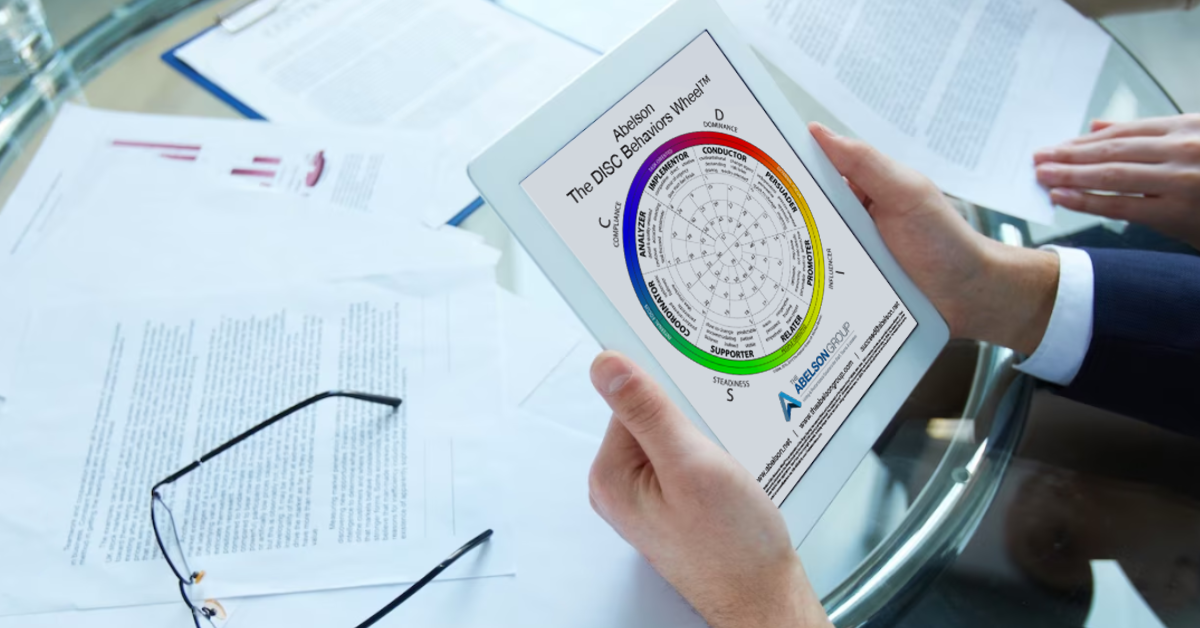
In my opinion, DISC behaviors is the next easiest to change. I didn’t say it is easily changed! Actually, it is difficult to change behaviors and habits. That is why you need a good coach if you are interested in changing work-related behaviors and a good clinical psychologist or clinical social worker if you are interested in changing deep seated issues. As a coach, there is a need to tear down old habits and then create, build up, and reinforce new behaviors/habits. It’s not easy, but with a good coach, it is doable.
Leader competencies are the next most difficult to change, because they deal with working with others. Never an easy thing to do. Your and their way of doing things may be very different, and more difficult to change. They may even resist, and sometimes, sabotage your leader competency change. It is much more difficult to change, and to have that change stick, when dealing with others is part of that change.
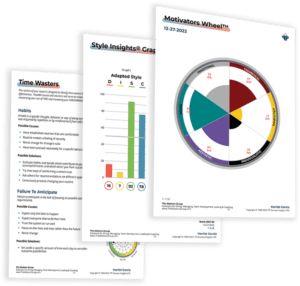
Motivators, in my opinion, is the most difficult of the four sciences to change. These are founded on your personal values. Things that have been stressed most of or your entire life. For example, some people are trained from birth to be very frugal with their time or money. Others are trained or see others freely give their time or their money to those causes they deem valuable or important. Motivators frequently come from observing the actions of those closest to us. Values and motivators are typically also attached to our emotional selves and contribute to how we feel about things. Feelings are generated from things more deeply within us, than are behaviors, and are extremely difficult to change.
Click here to register for our DISC & Motivators Certification or our EQ Certification