


Ask Dr. A™ Question:
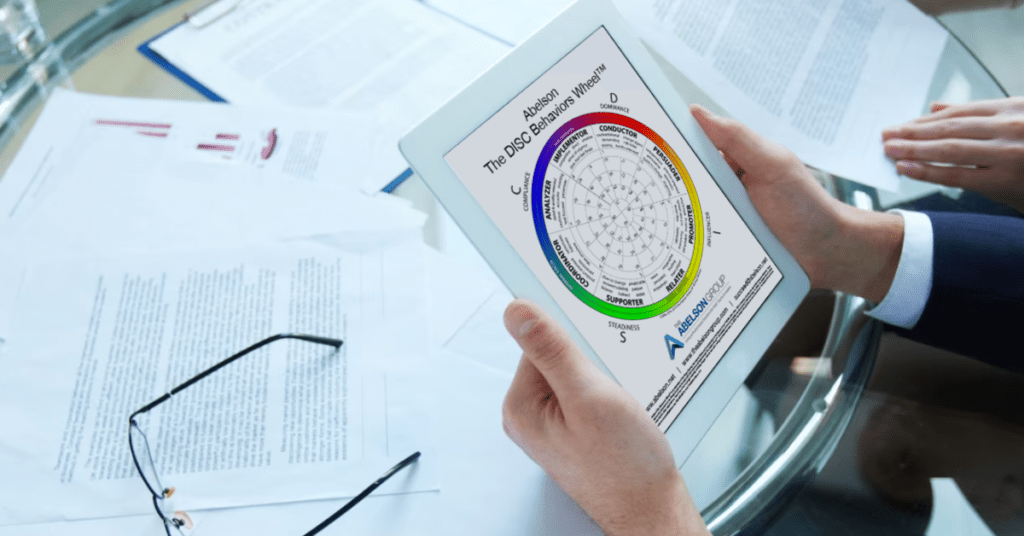
I have two staff that constantly argue. One is in DISC Wheel space 28 and the other in DISC Wheel space 23. What can I do to help them work better together?
Ask Dr. A™ Response: (We used the “Deep” response of 400 to 700 words for this answer.)
To help your staff members in DISC Wheel spaces 28 and 23 work better together, it’s essential to understand their unique behavioral styles and how these may contribute to their conflicts. Here’s a breakdown of each space, along with strategies to facilitate better collaboration:
Space 28: Behavioral Style Overview
- General Characteristics: Individuals in Space 28 are characterized by their sense of urgency, creativity, and competitive nature. They are change agents who challenge the status quo and often make decisions with the bottom line in mind. They tend to be innovative and forward-looking.
- Communication Tendencies: They prefer direct communication, appreciate being isolated from interruptions, and respond well to clear, specific, and brief messages. They thrive in environments that allow for fun and relaxation but also require a focus on results.
- Strengths: They are strong influencers, resourceful, and bring high energy to problem-solving. They are optimistic about process improvements and are capable of addressing conflict to achieve win-win scenarios.
- Limitations: They may become impatient when gathering information and can overlook vital details in their pursuit of quick results. Their urgency may sometimes conflict with thoroughness.
Space 23: Behavioral Style Overview
- General Characteristics: Individuals in Space 23 are flexible, conscientious, and focused on maintaining high standards. They are detail-oriented and prefer logical solutions, often gathering data for decision-making.
- Communication Tendencies: They require time to ask questions and appreciate organized presentations of information. They prefer straightforward, factual communication and need assurance that there won’t be surprises.
- Strengths: They are good listeners, methodical in their approach, and strive for continuous learning. They bring precision and detail to their work, ensuring high-quality outcomes.
- Limitations: They may experience "paralysis by analysis" when faced with decisions and can struggle with balancing efficiency and interaction with others.
Strategies for Improvement
- Facilitate Open Communication: Encourage both individuals to express their thoughts and feelings about their work and the conflicts they face. Create a safe environment where they can discuss their perspectives without fear of judgment.
- Set Clear Expectations: Clearly define roles and responsibilities for both staff members. This can help reduce misunderstandings and ensure that each person knows what is expected of them.
- Encourage Collaboration on Projects: Assign them to work together on a project that requires both their strengths. For example, Space 28 can drive innovation and urgency, while Space 23 can ensure that the project is well-researched and meets high standards.
- Use Structured Meetings: Implement structured meetings where both individuals can share updates and feedback. This allows Space 28 to express their urgency while giving Space 23 the time they need to process information and ask questions.
- Leverage Their Strengths: Recognize and celebrate their individual strengths. For instance, highlight Space 28’s innovative ideas and Space 23’s attention to detail. This can foster mutual respect and appreciation.
- Conflict Resolution Training: Provide training on conflict resolution techniques that emphasize understanding different communication styles and how to navigate disagreements constructively.
- Regular Check-ins: Schedule regular one-on-one and team check-ins to monitor their progress and address any emerging conflicts early. This proactive approach can prevent issues from escalating.
Practical Next Steps
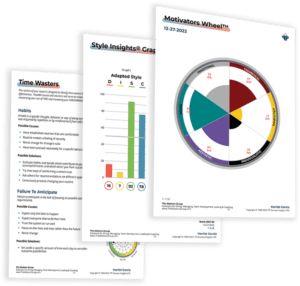
You might explore the option of creating an Abelson onboarding/comparison report where both people’s behaviors and motivators are on the same report page. You can then facilitate a conversation that uses the “communications” and “value to the organization/team” sections of the report to facilitate them working better and more effectively together.