


Let’s talk about something most broker-owners, recruiters, and team leaders know but rarely address out loud: a staggering number of licensed real estate agents haven’t closed a single transaction this year.
That’s not hyperbole. It’s backed by data. In many markets, 30 to 40 percent of licensed agents have recorded zero closings in the first half of the year. Let that sink in. These aren’t brand-new agents still learning the ropes. Many have been in the business for years, some even with robust past track records. So what’s going on?
It’s Not Just the Market—It’s the Mindset
Yes, interest rates are high. Yes, inventory is low. But the agents who are closing deals aren’t waiting for market conditions to improve. They’re adjusting. They’re prospecting. They’re refining their message. They’re building trust.
So what separates the doers from the dormant?
Behavior. Motivation. Emotional resilience.
This is where we come in.
At The Abelson Group, we’ve spent over 35 years analyzing high-performing agents through the lens of DISC, Motivators, and Emotional Intelligence. The truth is, agents who are stuck often don’t have a skill problem. They have a behavioral blind spot. Or they’re internally misaligned with what drives them. Or they simply don’t have the emotional awareness to self-correct.
The Cost of Inaction
For brokerages, unproductive agents aren’t just invisible—they’re costly. They dilute brand reputation, drain leadership energy, and silently negatively impact the office. The real cost isn’t just missed commissions. It’s missed momentum and opportunity.
And for agents? Every month without a transaction is a silent hit to confidence. That internal narrative of “maybe this isn’t for me” gets louder.
So What Can You Do?
Stop guessing. Start assessing. Stop waiting for things to change. Identify strengths and change behavior to capitalize on those strengths.
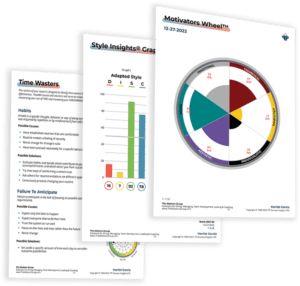
When you use the Abelson DISC and Motivators assessments, you don’t just get colorful charts. You get insights that uncover exactly where someone is stuck and how to move them forward. When you layer in another personality dimension we measure, Emotional Intelligence, you start to understand how they respond under stress, where they deflect, and what kind of support they actually need.
Here’s the good news: every unproductive agent has potential. But potential without insight and action is just potential.
If you want your people to close more transactions, help them close the gap between who they are and what they need to succeed. Use our assessments to give you guidance on what to change and how to change to capitalize on strengths and minimize limitations.